Address
304 North Cardinal St.
Dorchester Center, MA 02124
Work Hours
Monday to Friday: 7AM - 7PM
Weekend: 10AM - 5PM

Address
304 North Cardinal St.
Dorchester Center, MA 02124
Work Hours
Monday to Friday: 7AM - 7PM
Weekend: 10AM - 5PM
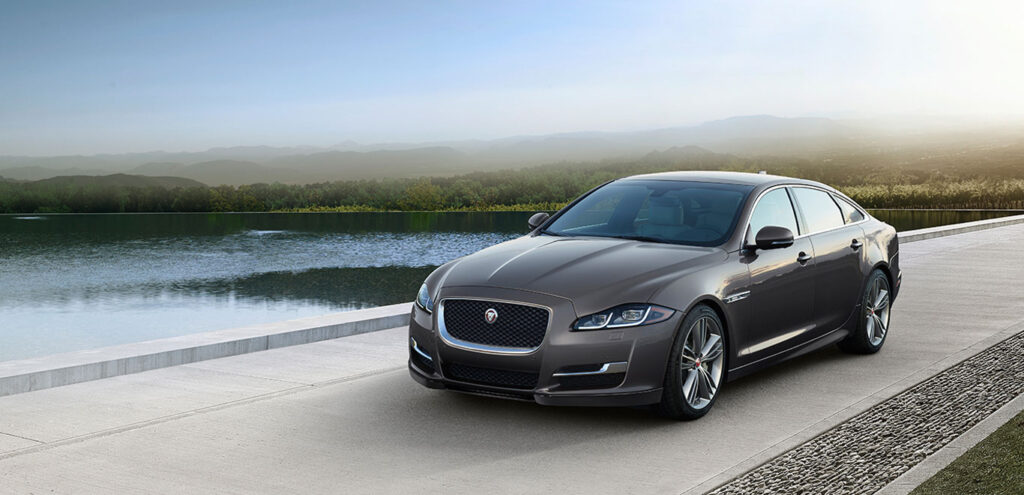
Jaguar Factory Authorized Aluminum Repair
Atlanta’s first Jaguar Factory Authorized Repair Center since 2004. Barrow Body Shop repairs Jaguar, Land Rover, and Range Rover vehicles using factory procedures, aluminum-specific tools, approved materials, and a repair philosophy built around doing the job correctly.
Atlanta’s first Jaguar factory authorized repair center
When a Jaguar, Land Rover, or Range Rover is repaired by Barrow Body Shop, the repair is handled through a Jaguar Land Rover Factory Authorized Aluminum Repair Center. That matters because the goal is to protect the factory warranty on the repaired area and preserve Certified Pre-Owned status whenever the vehicle qualifies.
Barrow was one of the first repair centers in the nation, and the first in Atlanta, to receive this certification. The shop views the certification as more than a badge. It means the repair center acts as an extension of the factory, using the correct welders, tools, materials, and written procedures for the vehicle being repaired.
Factory procedures come first
Jaguar provides extremely detailed instructions for replacing body parts and repairing the structure of its vehicles. Barrow’s position is simple: those instructions are not loose guidelines, and they are not something to out-think. The written factory procedures are the repair plan.
When Barrow first discussed becoming a Jaguar factory repair center in early 2003, the seriousness of the program was clear. Deviating from written procedures could remove a shop from the program because Jaguar treats that as re-engineering the car. After nearly $500,000 in factory training, specialized tools, and the South’s first quarantined aluminum repair center, Barrow is not interested in bending the rules.
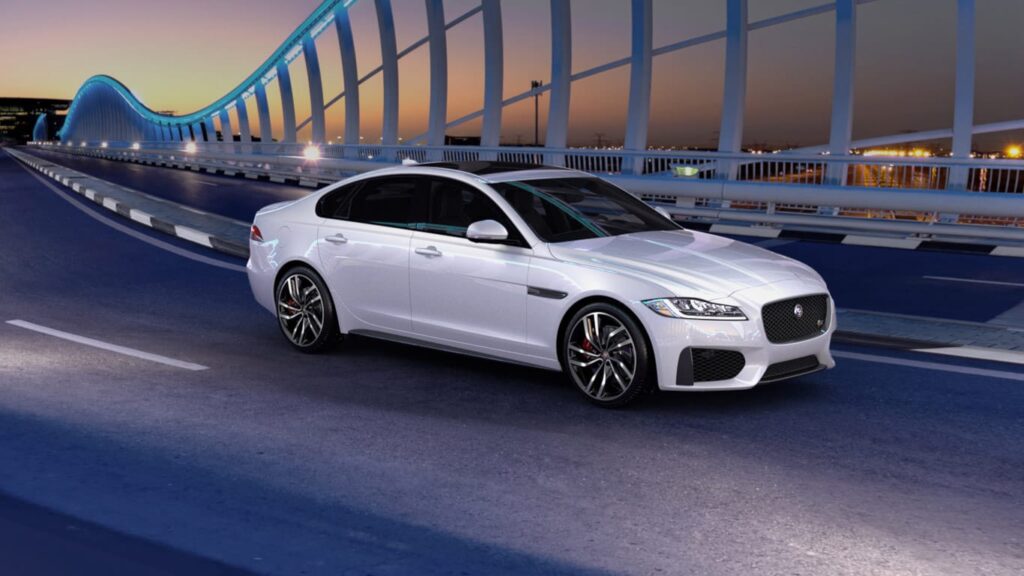
Barrow repairs Jaguar and Land Rover vehicles using factory procedures specific to the automobile, with a slow and deliberate process designed to restore the vehicle to pre-accident condition.
The shop has repaired thousands of Jaguars and hundreds of Land Rover and Range Rover vehicles, giving the team deep experience with aluminum construction, structural repair, paint, and finish quality.
Barrow follows the factory engineers’ instructions rather than letting outside pressure, cost containment, or habit reshape the repair into something less than the manufacturer intended.
Barrow’s concern with insurance-driven repairs
A major point of the Jaguar page is Barrow’s concern with insurance steering and Direct Repair Program arrangements. The issue is not whether insurance is involved. The issue is who controls the repair decisions when a specialty aluminum vehicle needs factory-correct work.
Barrow explains that when an insurer steers a Jaguar owner into a direct repair shop, the relationship can shift. The shop may start answering to the company sending the steady stream of work rather than the vehicle owner or the factory repair procedure.
If a vehicle is supposed to receive a specific factory repair procedure and an insurance company refuses to pay for that procedure, the pressure is to skip it. Barrow’s point is that skipping a factory repair step creates an improper repair.
Barrow describes a direct repair contract as a cost-containment arrangement. The insurer pays the bill and sends the work, while the shop agrees to conditions in exchange for continued referrals. Barrow sees that as a conflict when factory procedures require more than the insurer wants to authorize.
Barrow dissolved its DRP contracts because the shop found those contracts in direct conflict with factory-certified repair procedures. Since the factory engineers define the correct repair, Barrow chooses to follow the factory instructions.
The page calls out the risks clearly: repairing a part that should be replaced, missing subtle hidden damage, using generic or salvage parts, or using junkyard steering and suspension parts because doing so saves the insurance company money.
Today, Barrow works with insurers face to face. After disassembly exposes hidden damage, the appraiser reviews the vehicle at the repair center so Barrow can explain the correct course of action for the repair.
The Jaguar page makes Barrow’s position very clear: if someone tries to control the repair process without understanding the difference between aluminum and steel repair, Barrow does not want that person making repair decisions for the customer’s car. The shop wants the repair reviewed by someone who understands the difference between a specialty aluminum Jaguar and a standard steel vehicle.
Aluminum is different
Barrow explains that a Jaguar is a specialty vehicle because aluminum reacts differently after an impact. Aluminum construction helps make the vehicle strong, safe, fast, and nimble, but it also changes the way collision damage should be evaluated and repaired.
When aluminum bends, it hardens. When steel bends, it tends to soften. If an aluminum panel is straightened the wrong way, the repair can make the metal even harder and more brittle. That is why a repair strategy based on steel-body habits can further damage a Jaguar.
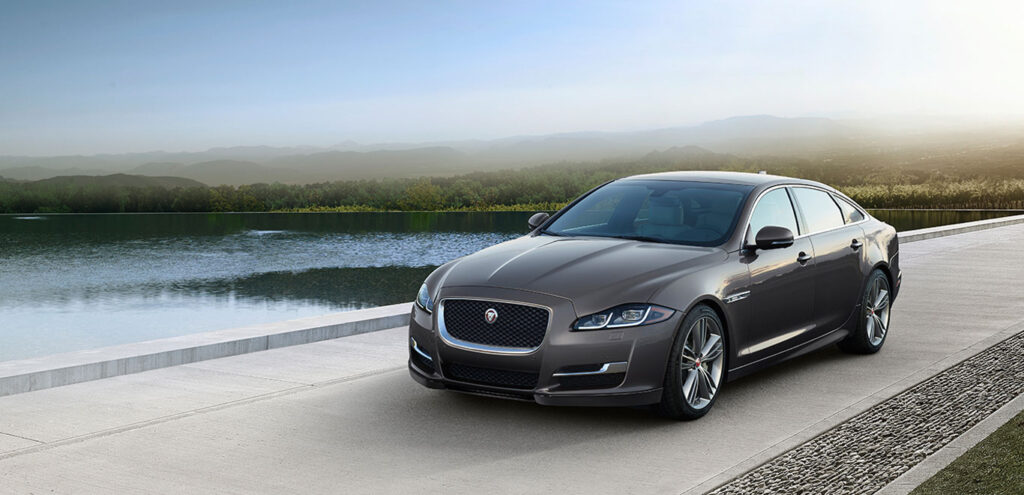
A non-trained shop may treat the damaged aluminum vehicle like steel: straightening panels that should be replaced, pulling unibody structures that should be replaced, or prepping aluminum surfaces with the wrong process.
The factory guidance Barrow references is direct: if a dent is roughly as big as your hand and deeper than the palm of your hand, the panel may need to be replaced unless it can be worked from the backside with special tools and dry heat.
If bracing blocks the repair, replacement may be required. Barrow’s point is that aluminum repair is not about forcing the quickest fix. It is about following the factory’s decision path.
From skepticism to conviction
Barrow has been repairing aluminum Jaguars for more than twelve years and has repaired thousands of them from across the Southeast. Early on, the team admits they were skeptical. The tools and procedures seemed excessive at first. Experience changed that view.
The shop admits it initially wondered whether the specialized tools were overkill. Over time, the team realized the factory requirements existed for a reason.
Barrow says it no longer accepts the old body shop attitude that a specialty aluminum vehicle is just another car. The shop now fully yields to the factory process.
The team describes itself as a true believer in the factory repair process, with the customer’s safety, vehicle value, and long-term confidence driving the repair approach.
After the repair
Barrow’s relationship with customers often continues long after the repair. Customers drop by to say hello, look at interesting vehicles, ask advice about buying a new car, get rock chips touched up, or have the car washed. The shop wants customers to feel supported even after the repair is complete.
The guiding value is the Golden Rule: “Do unto others as you would have them do unto you.” Barrow says that approach has worked for more than 50 years and will continue to guide the business for generations.
Contact Barrow Body Shop
Barrow’s staff strives for 100% customer satisfaction. Call, email, or visit the shop to schedule an appointment or request a repair status update.